
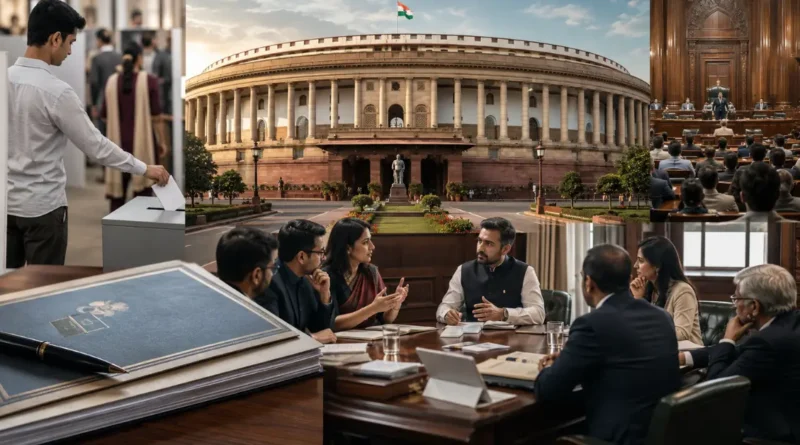
Why Politics Matters in Everyday Life: How Public Decisions Shape Society
Understanding why politics matters is important because political decisions shape everyday life, public services, the economy, technology, education, healthcare and the future direction of society. Politics is often seen as something that belongs only to elections, government buildings, speeches and public debates. But in reality, politics affects people every day, even when they do not notice it directly.
At its simplest, politics is the process of making decisions for society. Governments create laws, manage public money, provide services, regulate industries and respond to public challenges. These decisions influence how a country grows, how people access opportunities and how institutions function.
Following politics does not mean supporting one party or ideology. It means understanding how decisions are made, who makes them and how those decisions affect people. In a modern society, informed citizens are important because they can ask better questions, compare policies and hold public institutions accountable.
How Politics Shapes the Economy
One of the clearest examples of why politics matters is the economy. Political decisions influence taxation, public spending, trade, business regulation, employment policies, investment and infrastructure development. These decisions can affect prices, jobs, wages, markets and consumer confidence.
For example, policies related to business growth can affect startups, small businesses, large companies and workers. A government that supports infrastructure, digital systems, manufacturing and skill development may create more opportunities. On the other hand, unclear rules or poor implementation can create uncertainty for businesses and citizens.
Economic policy also affects household budgets. Decisions related to fuel, food supply, imports, public transport, taxation and subsidies can influence the cost of essential goods and services. This is why politics is not limited to parliament or government offices. It reaches homes, markets, schools and workplaces.
Public Services Depend on Political Decisions
Another reason why politics matters is that public services depend heavily on policy. Education, healthcare, roads, electricity, water supply, sanitation, public transport and social welfare are all connected to political choices.
A strong education policy can improve schools, teacher training, digital learning and student opportunities. A strong healthcare policy can improve hospitals, emergency response, public health systems and access to treatment. Infrastructure policies can improve roads, railways, airports, urban planning and internet connectivity.
When public services work well, people may not always notice the political decisions behind them. But when services fail, delays and gaps become visible. This is why governance matters. Good governance is not only about announcing policies. It is also about implementing them properly and making sure they help citizens.
Why Politics Matters Beyond Elections
Politics is more than elections. Voting is important, but political decisions continue after election day. Governments make daily choices through lawmaking, budgets, public consultations, court decisions, local administration and policy implementation.
Local politics also matters. Decisions made by local authorities can affect roads, drainage, water supply, waste management, public spaces, local schools and community safety. National politics gets more attention, but local governance often has a direct impact on daily life.
This is why citizens should pay attention not only to national leaders but also to local representatives, public departments and community-level decisions. A strong democracy needs active and informed citizens at every level.
Technology Has Become a Political Issue
Technology is no longer separate from politics. Artificial intelligence, cybersecurity, data protection, digital payments, online education, social media platforms and internet access are now major public policy topics.
Governments around the world are trying to balance innovation with safety. Technology can improve productivity, communication, healthcare, education and business. At the same time, it can create concerns related to privacy, misinformation, digital fraud, job disruption and online safety.
This makes technology policy extremely important. Rules about data, digital platforms, artificial intelligence and cybersecurity can shape how people use technology in the future. A country’s ability to manage technology responsibly may also affect its economic competitiveness and global influence.
Politics and Public Trust
Public trust is one of the most important parts of politics. Citizens expect governments, public officials and institutions to act with responsibility, fairness and transparency. When trust is strong, people are more likely to support reforms, follow public rules and participate in democratic processes.
When trust becomes weak, confusion and frustration can increase. People may begin to doubt official information, question institutions or feel disconnected from decision-making. This can make governance more difficult.
Trust is built through honest communication, clear policies, accountability and consistent action. It is also supported by responsible media, public debate and access to reliable information.
The Role of Media in Political Understanding
In today’s world, political information moves quickly. News websites, television channels, social media platforms and online discussions shape how people understand political events. This creates both opportunities and challenges.
The positive side is that citizens have more access to information than ever before. They can follow policy changes, public debates and government announcements in real time. The challenge is that misinformation, misleading headlines and incomplete context can spread quickly.
This is why responsible news coverage matters. Political reporting should not only focus on dramatic statements or party competition. It should also explain policy impact, public interest and long-term consequences. Readers need context, not just headlines.
You can also read Republicarc’s Editorial Policy to understand how this website approaches responsible publishing and public-interest content.
Politics and Global Affairs
Political decisions do not stop at national borders. Foreign policy, trade agreements, international partnerships and diplomatic relations can affect businesses, students, workers, travelers and consumers.
A decision made by one country can influence supply chains, energy prices, technology access, migration rules, investment flows and regional stability. Global politics affects local life more than many people realize.
For example, international trade decisions can affect product prices. Diplomatic partnerships can influence education, defense, technology and business cooperation. Global economic decisions can affect markets and employment. This is why world news and domestic politics are often connected.
Why Citizens Should Understand Politics
Citizens do not need to become political experts, but they should understand the basics of governance and public policy. When people understand politics, they can judge policies more carefully instead of reacting only to slogans, viral posts or emotional messages.
An informed citizen can ask important questions:
How will this policy affect jobs, prices or public services?
Who benefits from this decision?
What are the possible risks?
Is the information coming from a reliable source?
How will this decision affect society in the long term?
These questions help create a stronger public discussion. Democracy becomes healthier when citizens think critically and participate responsibly.
The Need for Balanced Political Coverage
Political news can become emotional and divided. In many cases, public debate focuses on personalities instead of policies. This can make it harder for citizens to understand real issues.
Balanced political coverage should explain what happened, why it matters and how it may affect people. It should avoid unnecessary sensationalism, personal attacks and misleading claims. A serious news platform should focus on facts, context and public impact.
Republicarc’s politics coverage aims to follow this approach. The goal is to explain political developments in a simple and responsible way, especially for readers who want clarity without confusion.
Conclusion
Politics matters because it shapes everyday life. It affects the economy, public services, technology, education, healthcare, infrastructure, national security and global relations. Every major public decision has consequences, and those consequences are often felt by ordinary people.
Understanding why politics matters is not only about elections or political parties. It is about understanding governance, public policy and the future direction of society. A well-informed public can make better decisions, ask better questions and support stronger institutions.
As the world becomes more connected and complex, political awareness becomes even more important. Clear, responsible and fact-based political understanding can help citizens move beyond noise and focus on what truly matters.