
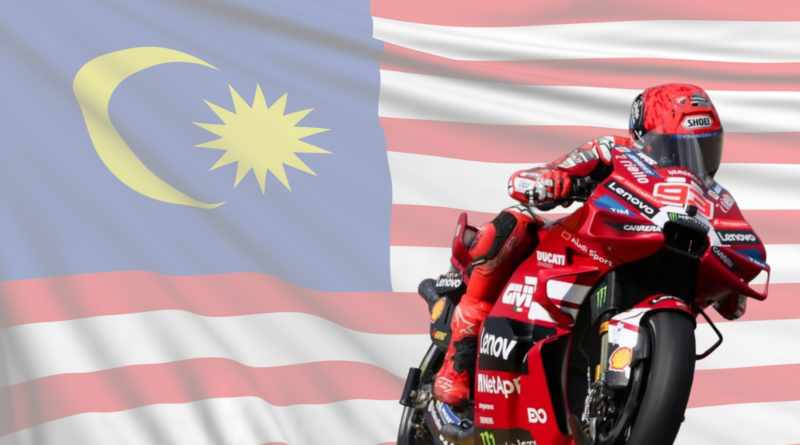
Malaysia MotoGP Race Until 2031: Sepang Secures Long-Term Place on Calendar
Malaysia has secured a major boost for motorsport fans after confirming that the Malaysia MotoGP race until 2031 will continue at the Petronas Sepang International Circuit. The new agreement keeps one of Southeast Asia’s most popular racing events on the MotoGP calendar for five more editions from 2027 to 2031.
The decision matters for riders, teams, fans, sponsors, and Malaysia’s sports tourism industry. Sepang is known for fast straights, wide corners, heavy braking zones, and hot weather. As a result, the race often becomes one of the toughest rounds of the season.
For MotoGP, the extension also shows the growing value of Southeast Asia. The region has a large motorcycle culture and a strong fan base. Therefore, keeping Malaysia on the schedule gives the championship a stable and exciting venue in an important market.
Malaysia MotoGP Race Until 2031 Confirmed
MotoGP’s official announcement said the championship will continue racing at Petronas Sepang International Circuit from 2027 to 2031. The deal was approved by the Government of Malaysia and gives fans five more Malaysian Grand Prix weekends after the current agreement ends.
Reuters also reported that Malaysia’s Youth and Sports Ministry confirmed the extension on July 1, 2026. The report said Malaysia’s cabinet approved a five-year extension from 2027.
This is not just a calendar update. It is a clear sign that Malaysia wants to remain a key motorsport destination. The Malaysian Grand Prix has built a strong identity over many years. It brings together local supporters, international visitors, racing teams, and global media.
The race has also become part of Malaysia’s wider sporting image. Unlike a one-off event, MotoGP gives the country yearly exposure. Fans often plan travel around the race weekend, while teams use Sepang’s demanding layout to test rider skill, bike setup, and tyre management.
Why Sepang Matters to MotoGP
Malaysia first became part of the Grand Prix motorcycle racing story in 1991. Sepang International Circuit has hosted the Malaysian round since 1999, placing the race close to Kuala Lumpur and making it easier for international fans to attend.
Sepang is one of MotoGP’s most recognizable circuits. The official MotoGP circuit guide describes it as a track built for speed and exciting racing. It has two long straights, several slow corners, and many medium to high-speed turns.
The track is also wide, which helps overtaking. In simple terms, overtaking means one rider passes another on track. Wider corners give riders more racing lines. That can lead to more battles during the race.
Heat and humidity also play a major role. Riders must stay focused while managing physical stress. Teams must also choose strong setups for brakes, tyres, and engine performance. This makes Sepang a true test, not just a showpiece event.
Main Developments in the Hosting Agreement
The latest agreement keeps the Malaysian Grand Prix in place from 2027 through 2031. MotoGP said fans can expect five more editions of the race at Sepang.
The current race remains on the 2026 schedule. Sepang Circuit lists the 2026 Petronas Grand Prix of Malaysia for October 30 to November 1, 2026.
This timing is important because it creates continuity. Fans know the event will not disappear after 2026. Teams and commercial partners also gain more planning security. That helps with sponsorship, ticket sales, hospitality, and local event promotion.
However, the cost of hosting remains a key talking point. Reuters reported that the official statement did not disclose the annual cost. It also noted that officials had previously said hosting fees had risen by 10% to 15% since the last renewal in 2024.
That makes the agreement both positive and demanding. Malaysia keeps a world-class sporting event, but it must also make sure the race brings enough value in return.
Key Sporting Factors That Make Sepang Special
Sepang is not just another stop on the MotoGP calendar. The circuit layout often creates close racing. It has a 5.54 km lap, a 920-metre longest straight, 10 right corners, and five left corners.
These features shape the race in several ways. The long straights reward strong acceleration and top speed. The slow corners test braking stability. The fast sections reward rider confidence and smooth throttle control.
Tyres are another major factor. In MotoGP, tyres must grip the track while handling high speed and heat. At Sepang, the weather can make this harder. Riders need speed, but they also need control.
The circuit’s conditions can also help create late-race drama. A rider who pushes too hard early may lose tyre performance later. Meanwhile, a patient rider can attack in the final laps.
Therefore, Sepang often rewards smart racing as much as raw pace. That is why teams value the event as a serious sporting challenge.
Why the Deal Matters for Fans and Malaysia
The Malaysia MotoGP race until 2031 gives local fans something important: certainty. Supporters can look forward to the event remaining part of the calendar for several more years.
MotoGP also confirmed that the 2025 Malaysian Grand Prix recorded 190,977 spectators, the highest attendance in the event’s history. That number shows strong demand for the race.
The extension also helps Malaysia’s tourism and service industries. Race weekends can support hotels, restaurants, transport providers, event workers, and local businesses. In addition, international visitors can spend several days in and around Kuala Lumpur.
For young motorsport talent, the deal may also help create more interest in racing careers. Motorsport is not only about riders. It also needs engineers, mechanics, data staff, marshals, media teams, and event managers.
As a result, a long-term MotoGP event can support a wider sports ecosystem. It gives Malaysia a yearly platform to connect fans, business, and sporting development.
Risks, Challenges, and Concerns
The extension is good news, but it also brings pressure. Hosting a MotoGP race requires major planning. The organiser must manage ticketing, safety, transport, security, circuit preparation, and fan services.
Cost is the biggest concern. Since the annual hosting cost was not disclosed, the public may want clear signs that the event provides value. Higher fees can increase pressure on ticket sales, sponsors, and tourism returns.
Weather is another challenge. Sepang’s heat and rain can affect race weekends. Sudden rain can change track conditions quickly. That can make the racing exciting, but it can also complicate schedules.
Competition within Southeast Asia is also growing. Thailand has also extended its MotoGP contract through 2031, showing that the region has become highly important for the sport.
Malaysia must therefore keep improving the fan experience. Smooth entry, clear transport plans, fair ticket options, and strong event promotion will all matter.
What Could Happen Next
The new deal may help Malaysia strengthen its role in global motorsport. Sepang already has history, strong facilities, and a proven fan base. Now it has long-term calendar security.
MotoGP may also use Malaysia as part of its wider growth plan in Asia. The 2026 season launch in Kuala Lumpur showed the sport’s interest in reaching new fans in the region. Reuters reported that the event drew crowds near the Petronas Twin Towers and highlighted MotoGP’s global fan growth.
Going forward, Malaysia will need to keep the event fresh. Better fan zones, family areas, local food, rider appearances, and digital engagement could make the Grand Prix more attractive.
Teams will also continue to treat Sepang as a serious performance test. The race may become even more interesting from 2027, when MotoGP enters a new technical era with different engine rules. That could change bike performance and make setup work even more important.
However, Malaysia cannot rely only on history. It will need strong promotion, good pricing, and steady government and commercial support. If those parts work well, the race could remain one of MotoGP’s leading Asian events.
Conclusion
The confirmation of the Malaysia MotoGP race until 2031 is a major win for Sepang, Malaysian fans, and MotoGP’s Asian calendar. The five-year extension keeps a respected and exciting circuit in the championship during an important period for the sport.
Sepang offers fast racing, strong overtaking chances, tough weather, and passionate crowds. At the same time, Malaysia must manage rising costs and growing regional competition.
Overall, the agreement gives MotoGP stability in Southeast Asia and gives Malaysia a valuable global sports platform. If the event continues to attract strong crowds and deliver a good fan experience, Sepang can remain one of the championship’s standout race weekends for years to come.