
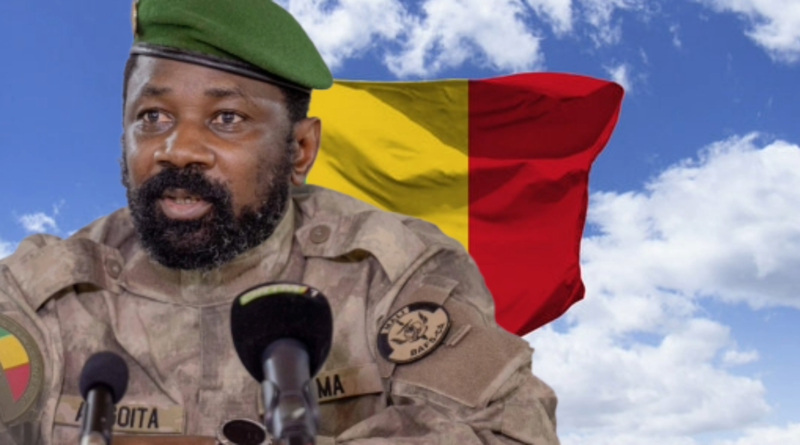
Mali Insurgent Attacks Hit Army Positions Across Country
A new wave of Mali insurgent attacks targeted army positions across several parts of the country on Saturday, July 4, 2026. The Malian armed forces said attacks took place in northern, central, and southern areas, including Anefis, Aguelhoc, Gao, Sévaré, and Kenioroba. Reuters reported that the army said it had repelled the assaults and described the situation as under control.
The attacks matter because Mali remains one of the key security flashpoints in the Sahel region. Armed groups, separatist fighters, and state forces have been locked in a long conflict that has affected civilians, trade, aid access, and regional stability.
Why Mali Faces Repeated Insecurity
Mali has faced instability for more than a decade. The conflict began in the north and later spread into central areas. Over time, groups linked to al-Qaida and the Islamic State, as well as Tuareg separatist movements, became active in different parts of the country.
The country’s political situation also changed after military takeovers in 2020 and 2021. Mali’s current leadership has promised stronger security. However, attacks have continued in several regions. The World Bank says Mali has faced instability and conflict since 2012, while also dealing with weak economic diversification, climate pressure, and food security challenges.
In recent years, Mali has also moved away from some Western security partnerships and turned toward Russia for military support. Neighboring Burkina Faso and Niger have followed similar paths after their own coups. These three countries are also dealing with armed groups across the wider Sahel.
Main Developments in the Mali Insurgent Attacks
According to Reuters, Mali’s army said the latest attacks stretched from Anefis, Aguelhoc, and Gao in the north to Sévaré in central Mali and Kenioroba south of Bamako. A spokesperson for the Tuareg-led Azawad Liberation Front said the group took part in the attacks. Later, JNIM, al-Qaida’s regional affiliate, also claimed responsibility. Reuters said it could not independently verify JNIM’s claims.
The Malian army said it repelled the attacks. It also said 20 attackers were stopped in Sévaré and six in Gao. The army reported one pro-government fighter dead and four others injured in Gao. These numbers come from official army statements and have not been independently confirmed by all parties.
AP also reported that the army said several northern towns, including Gao and Sévaré, were targeted. Residents described searches by security forces in Gao after the attack. AP said the army later claimed the situation was completely under control.
International Reaction and Wider Regional Context
There was no immediate broad international response confirmed in major reports at the time of writing. However, Mali’s security situation remains a concern for foreign governments, humanitarian groups, and regional observers.
The United States currently advises against travel to Mali because of terrorism, unrest, kidnapping risks, crime, and health concerns. That advisory shows how international governments view the security environment in the country.
Meanwhile, the wider Sahel faces a major humanitarian crisis. OCHA reported in June 2026 that more than 24 million people across the Sahel need humanitarian aid and protection. The crisis is linked to conflict, hunger, displacement, climate stress, and limited access to basic services.
Why the Attacks Matter
The latest Mali insurgent attacks show that armed groups can still strike across a wide area. This creates pressure on Mali’s army and raises questions about control of key towns, roads, and military sites.
For civilians, insecurity can limit movement, close markets, and delay aid deliveries. It can also weaken farming and trade. This matters in Mali because the economy already faces food security risks, climate pressure, and low productivity.
For the region, Mali’s instability can affect nearby countries. Burkina Faso and Niger are also fighting armed groups. As a result, violence in one country can create pressure across borders. This includes displacement, security operations, and humanitarian needs.
Risks, Challenges, and Concerns
One major challenge is verification. Armed groups often claim control of positions or towns. Governments may also report battlefield success. Independent confirmation can be difficult because many affected areas are unsafe for journalists and aid workers.
Another concern is the impact on civilians. Human Rights Watch reported in late June 2026 that civilians in Mali continue to face abuses by several sides in the conflict, including armed Islamist groups, state forces, and allied foreign fighters.
Security responses may also affect public life. In places like Gao, residents reported staying indoors while security forces searched for attackers. Such measures may be necessary for safety, but they can also disrupt daily life.
What Could Happen Next
The attacks may push Mali’s army to increase security around military sites, roads, prisons, and towns near conflict zones. The government may also focus more forces on northern and central areas.
However, a military response alone may not end the crisis. Mali’s conflict includes political, ethnic, economic, and regional factors. Armed groups can exploit weak state presence, local grievances, and poor access to services.
In addition, the role of outside security partners will remain important. Russia-backed forces have supported Mali’s military-led government, while Western governments continue to watch the Sahel closely. Reuters reported that Russia’s Africa Corps backs Mali’s government, and Moscow said after earlier attacks that it would stand by Mali.
The next key issue is whether the government can restore calm in affected areas and keep major roads and towns secure. Another issue is whether humanitarian groups can reach people in need.
Conclusion
The latest Mali insurgent attacks mark another serious test for Mali’s military-led authorities. Army positions were targeted across a wide area, from the north to the south. The army said it repelled the assaults, while JNIM and the FLA claimed involvement in parts of the operation. Some claims remain unverified.
The situation shows how fragile security remains in Mali and across the Sahel. For readers, the key things to watch next are official updates from the Malian army, independent confirmation from affected towns, humanitarian access, and any response from regional or international partners.