US-Iran Escalation Puts Gulf Security and Global Oil Routes Back on Edge
Rising tensions between the United States and Iran have brought renewed global attention to the Gulf region, where shipping routes, energy markets and diplomatic efforts are once again facing uncertainty.
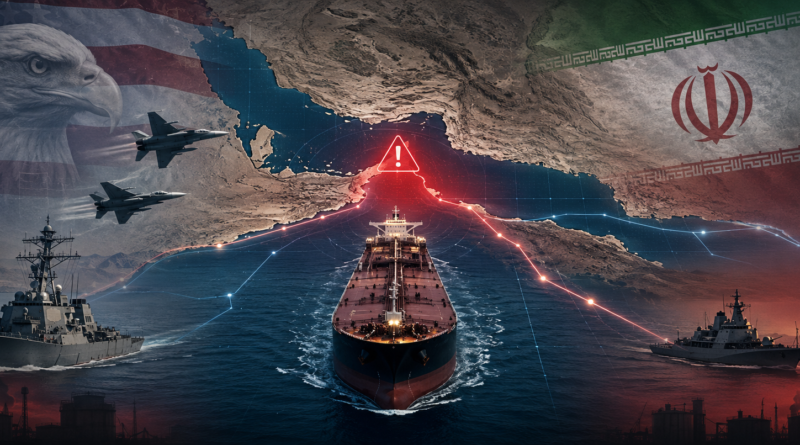
The latest developments come after security-related incidents around the Strait of Hormuz, one of the world’s most important maritime routes for oil and gas movement. Reports from international news agencies say the situation has placed pressure on regional governments, global markets and ongoing diplomatic discussions.
For the United States, the main concern is the safety of commercial shipping and the protection of its regional interests. For Iran, the issue is linked to regional influence, sovereignty and negotiations with Washington.
Why the Gulf matters globally
The Gulf is one of the most important regions for the global economy. A large share of the world’s oil movement passes through or near the Strait of Hormuz. Because of this, even a short period of uncertainty can affect energy prices, shipping insurance, investor confidence and diplomatic planning.
This is why the latest US-Iran tensions are being watched closely not only in Washington and Tehran, but also in Europe, Asia and the Middle East.
Countries that depend heavily on imported energy are especially sensitive to any disruption in this region. Businesses, shipping companies and governments are now watching whether the situation remains limited or creates broader pressure on supply chains.
Gulf countries face a difficult balance
Kuwait and Bahrain have also become part of the wider regional discussion because of their close security links with the United States and their location in the Gulf.
For these countries, the challenge is to maintain stability while avoiding deeper regional uncertainty. Gulf economies depend on energy exports, investment confidence, aviation routes and safe maritime movement. Any extended tension could affect these areas.
At the same time, Gulf governments are likely to support diplomatic solutions because long-term economic growth depends on predictable regional conditions.
Diplomacy remains the key question
The most important question now is whether the United States and Iran can return to talks and protect the fragile peace framework that had recently created hope for de-escalation.
If both sides choose diplomacy, the Gulf region may avoid a deeper economic and political shock. But if tensions continue, global markets could remain nervous, especially around oil, shipping and regional security.
International mediators may now try to bring both sides back toward dialogue. The next few days will be important because the direction of the crisis could shape energy markets and Middle East diplomacy for weeks.
What to watch next
There are three major points to watch.
First, whether the United States and Iran continue public warnings or return to diplomatic channels.
Second, whether shipping through the Strait of Hormuz remains stable.
Third, whether Gulf countries can help reduce regional tension through quiet diplomacy.
For now, the Gulf remains under close international watch. The issue is no longer only about US-Iran relations. It is also about global energy security, trade routes and the future of diplomacy in one of the world’s most sensitive regions.s watching.